



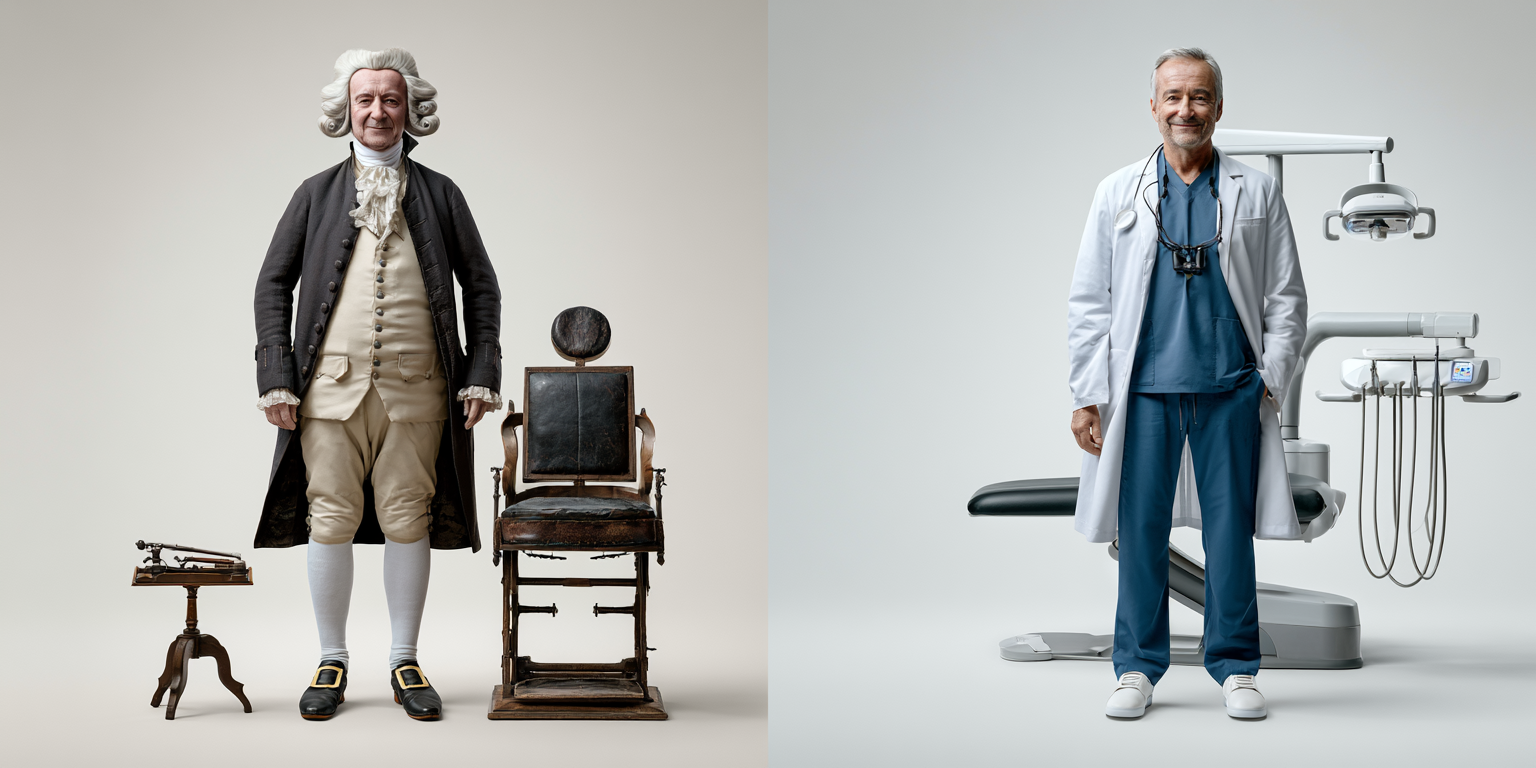
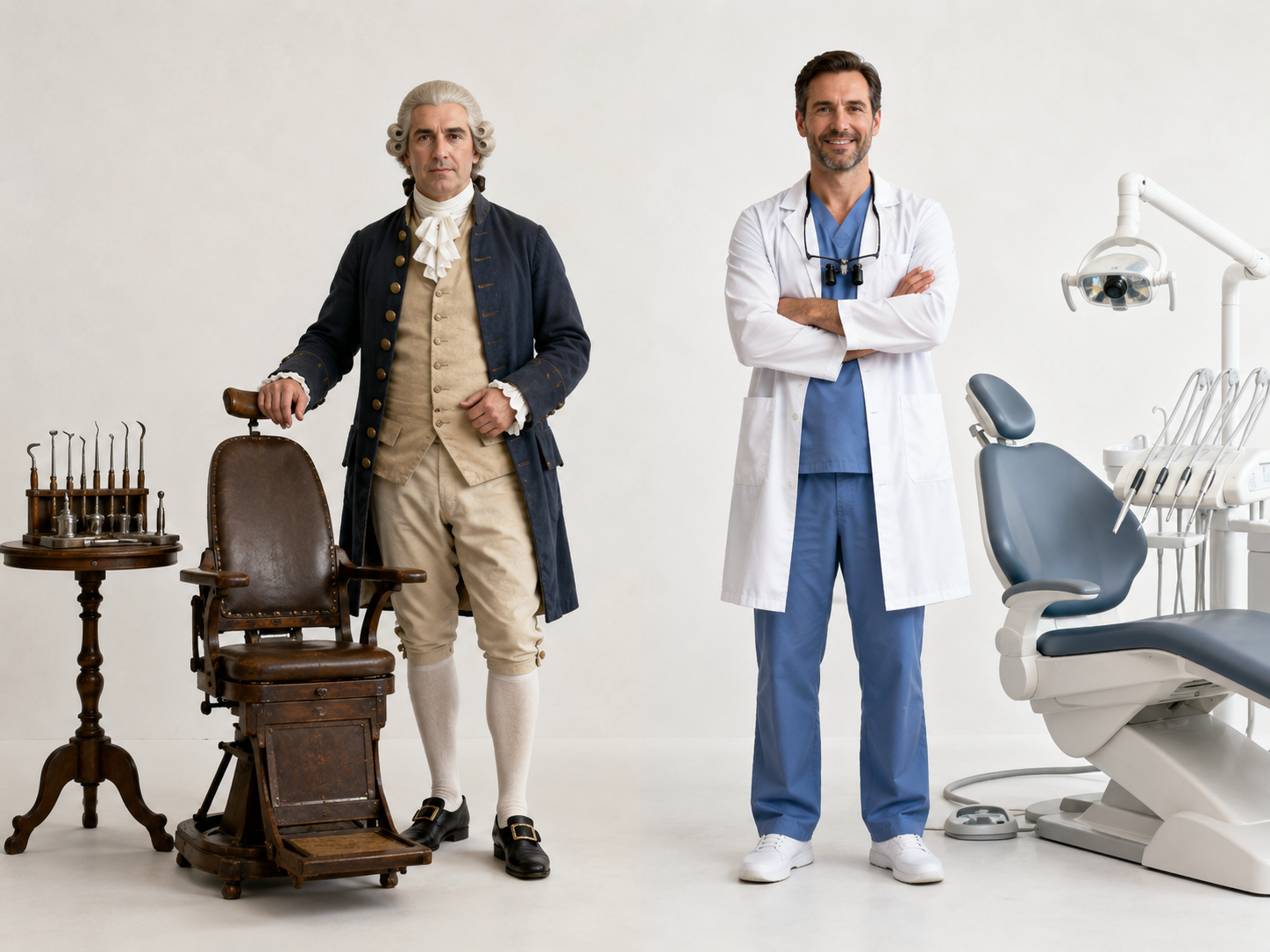


 When we think about dentistry today, we think about digital scans, precise restorations, advanced materials, anesthesia, quality control, and predictable outcomes. But around the time America was becoming a nation, dentistry looked very different.
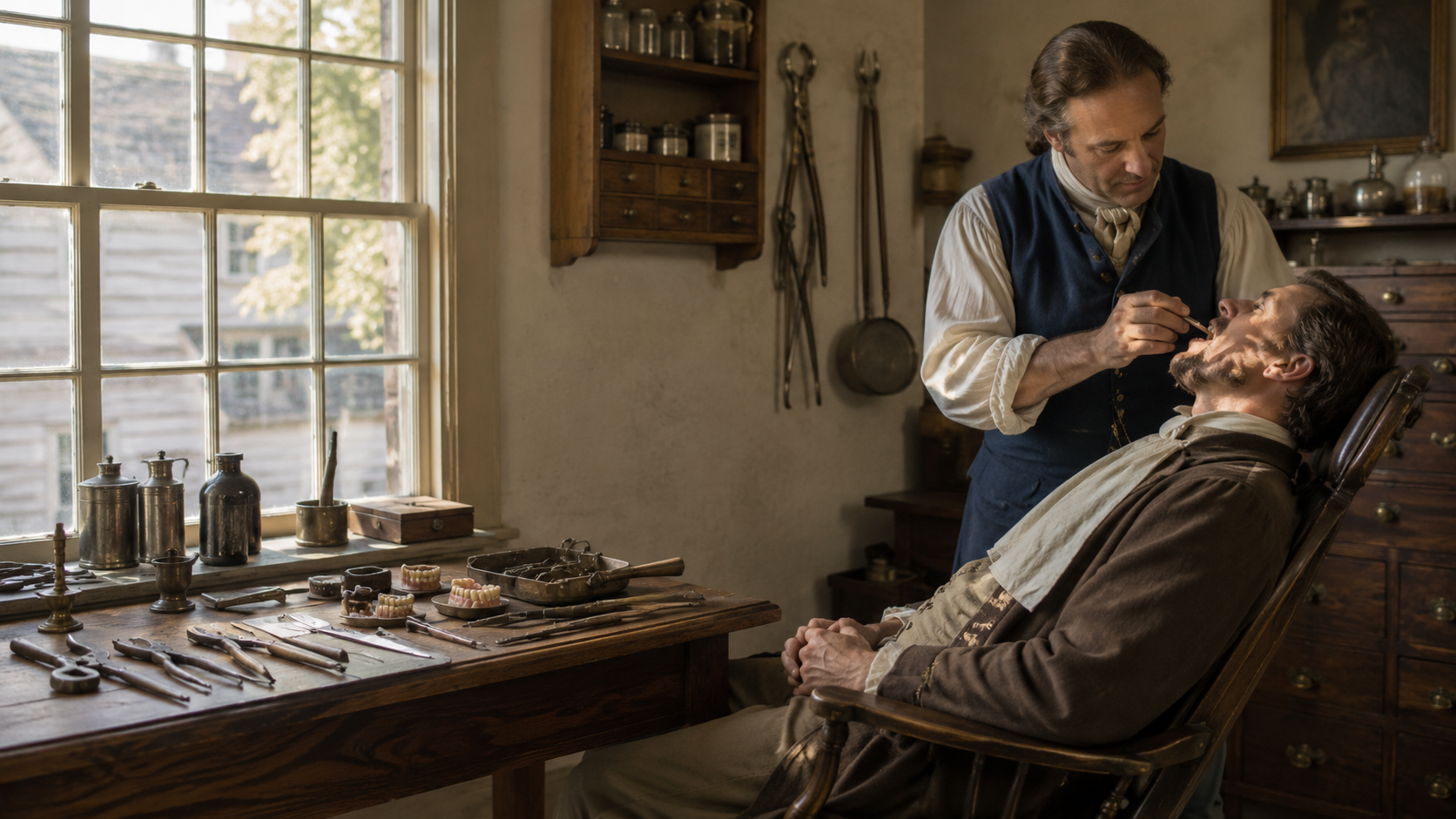
About 250 years ago, dental care in America was not yet a formal profession. There were no dental schools in the country, no standardized licensing, no modern dental chairs, and no anesthesia as we know it today. In many cases, dental work was performed by people with practical hand skills: barbers, blacksmiths, silversmiths, physicians, or trained tradesmen who learned through apprenticeship.
And yet, this rough and imperfect period helped lay the foundation for modern dentistry.
America’s First Dentists Were Often Craftsmen

In 1760, John Baker, an English-trained dentist, came to America and began practicing. He is considered the earliest medically trained dentist to practice in the American colonies. Around the same period, Isaac Greenwood practiced as the first native-born American dentist. The first dental school in the United States would not open until 1840, decades after the American Revolution.
This meant dentistry was often a mix of medicine, mechanics, and craftsmanship. A good “dentist” needed a steady hand, knowledge of materials, and the ability to create something functional from ivory, wire, metal, or natural teeth.
That is one reason silversmiths and metalworkers sometimes found their way into dentistry. They already understood shaping, polishing, wiring, and fitting small objects with precision.
Paul Revere Was More Than a Revolutionary Messenger
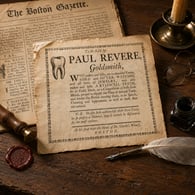 Paul Revere is best remembered for his famous midnight ride, but he was also part of early American dental history.
Before the Revolution, Revere advertised dental services in Boston. He cleaned teeth, replaced missing teeth, and made artificial teeth. His background as a silversmith gave him skills that translated well into dental work, especially when it came to wiring artificial teeth into place.
One of the most fascinating moments in early American dentistry came after the Battle of Bunker Hill, also known as the Battle of Breed’s Hill. Dr. Joseph Warren, a patriot leader and friend of Revere, died in battle. Months later, when his remains were found, Revere helped identify him by recognizing a dental bridge he had made for Warren. This is considered one of the earliest known examples of forensic dental identification in America.
In other words, one of America’s most famous patriots also played a role in the early history of forensic dentistry.
George Washington’s Teeth Were Not Wooden
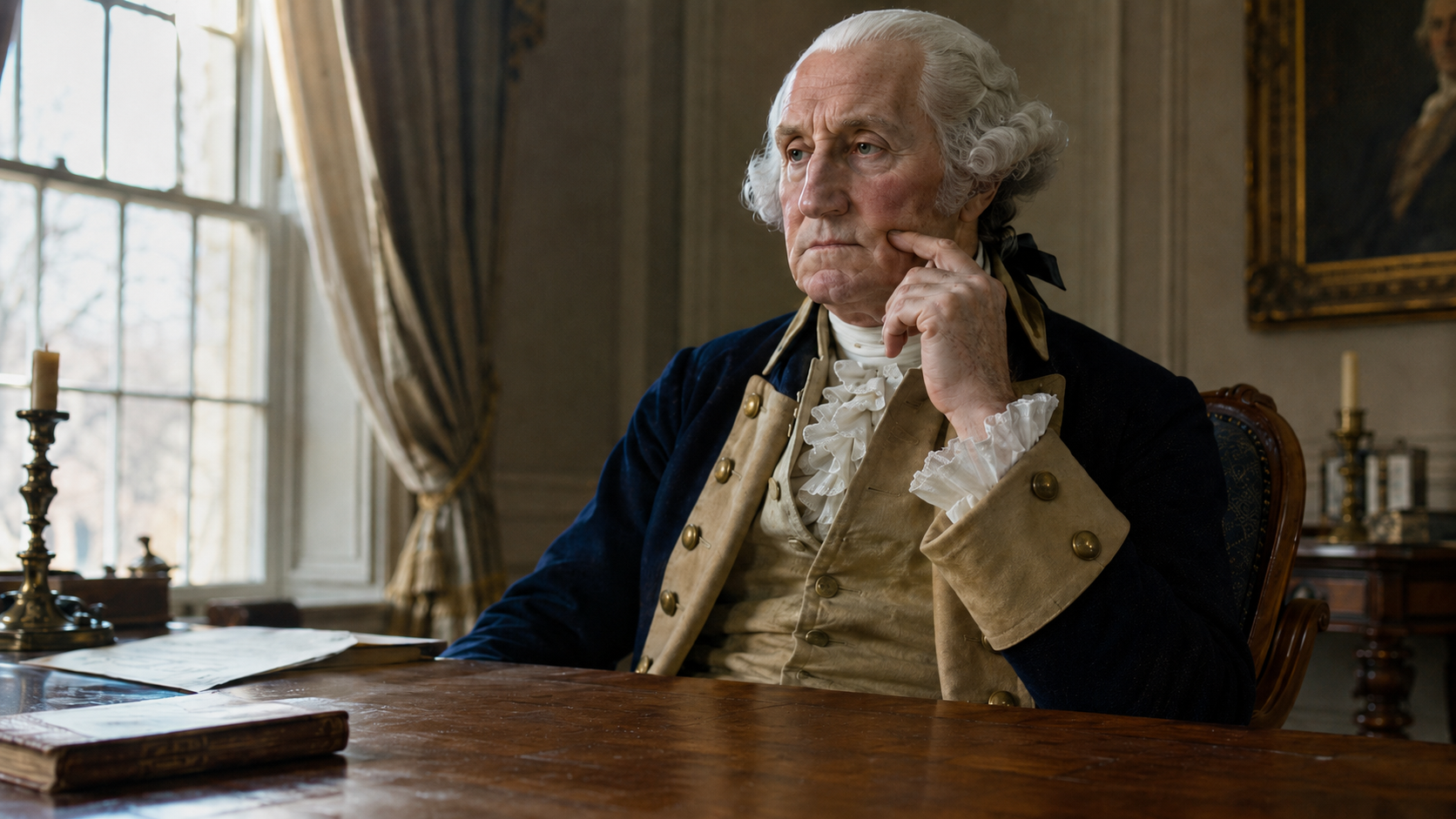
One of the most persistent myths in American history is that George Washington had wooden teeth. He did not.
Washington suffered from dental problems for most of his adult life. By the time he became president in 1789, he had only one real tooth remaining. His dentures were made from materials such as human teeth, animal teeth, hippopotamus or walrus ivory, lead, tin, copper, silver alloys, and gold.
The result was not comfortable. His dentures caused pain, changed the shape of his face, and made eating and speaking more difficult. Even for one of the most important figures in American history, dental treatment was still uncomfortable, imperfect, and limited by the technology of the time.
Sugar Was Creating a New Dental Problem
Dental decay was not new, but the rise of sugar consumption made the problem worse.
In colonial America, sugar had once been expensive and available mainly to wealthier families. As sugar became more accessible during the 18th century, cavities and tooth decay became more common. Poor oral hygiene, limited preventive care, and increased sugar consumption created a greater need for cleanings, extractions, and replacement teeth.
This shift helped increase demand for dental services. People did not just need teeth pulled; they increasingly wanted teeth cleaned, replaced, and made functional again.
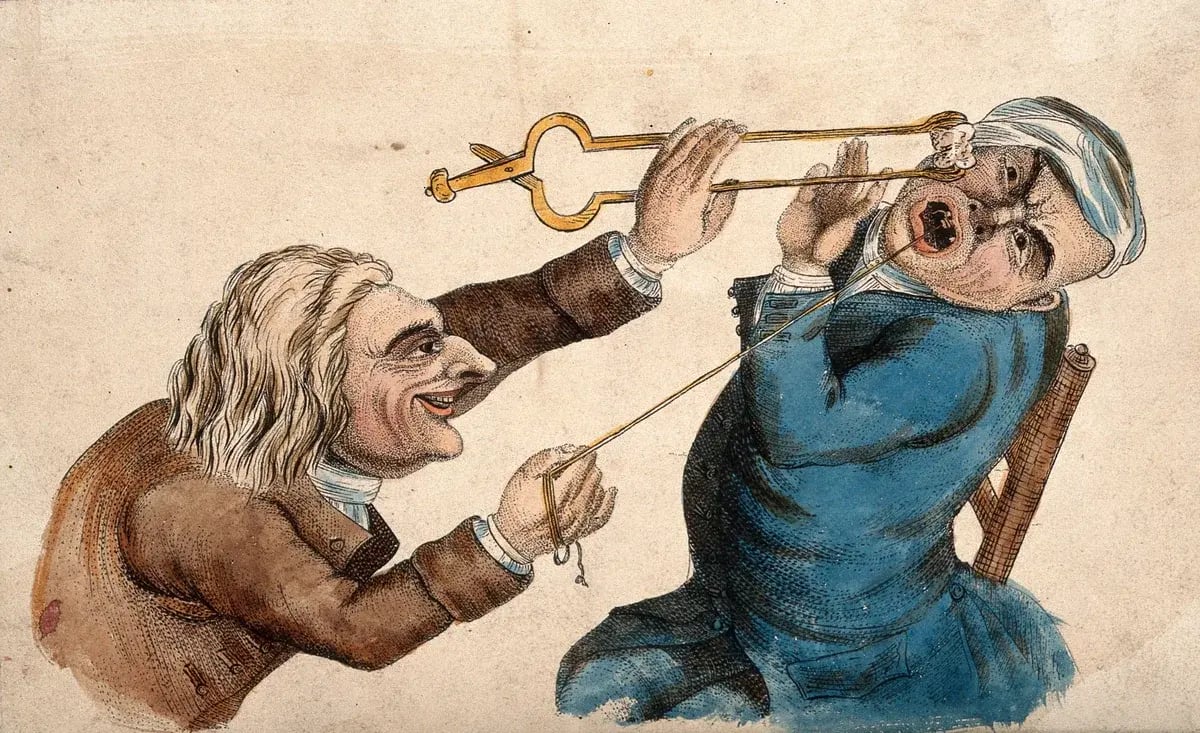
Caricature of a “sadistic tooth-drawer” who frightens his patient with a hot coal to make him pull back his head and so extract the tooth, by John Collier, 1810 — Source.
Dental Treatment Was Often Painful
One of the biggest differences between dentistry then and dentistry now was the absence of modern anesthesia.
The first successful public demonstration of ether anesthesia for surgery did not happen until 1846. That means dental extractions and other procedures in the Revolutionary era were typically performed without the pain control patients expect today.
For many patients, dental care was something to endure rather than something to schedule preventively. Pain often drove the visit. Prevention, comfort, and long-term planning were not yet the center of care.
The Dental Chair Came Later
Even the dental chair was not yet standard.
Around 1790, Josiah Flagg constructed one of the first chairs specifically made for dental patients by modifying a wooden Windsor chair with an adjustable headrest and an arm extension to hold instruments. Before that, dentistry was often performed in ordinary chairs, homes, shops, or improvised settings.
It is a reminder that the tools, systems, and clinical environments we take for granted today had to be invented one step at a time.
From Survival Dentistry to Precision Dentistry
Dentistry in America 250 years ago was a world of hand tools, discomfort, ivory dentures, metal wires, and improvised solutions. It was not yet the highly specialized profession we know today.
But it was also a world of innovation.
Craftsmen became dental pioneers. Early practitioners learned how to restore function and appearance with the materials they had. Patients began to expect more than extraction. They wanted to speak, eat, smile, and live with confidence.
That same idea still drives dentistry today.
The difference is that modern dentistry now has digital scans, advanced materials, specialized labs, quality assurance systems, and workflows designed to create better outcomes with less guesswork. What once depended almost entirely on hand skill and endurance now depends on precision, communication, and technology.
The history of dentistry shows how far the profession has come. From Paul Revere wiring artificial teeth in colonial Boston to today’s digital restorations and modern lab workflows, dentistry has always been about solving one essential problem: helping people restore comfort, function, and confidence.
And 250 years later, that mission is still the same.
Happy Independence Day.
